
Category catalog
Refractory Bricks
Refractory bricks are shaped, fired ceramic blocks that form the structural hot face of a furnace, kiln, or reactor — the layer that takes direct flame, molten material contact, abrasion, and chemical attack.
Products in Refractory Bricks
6 catalog items available for review
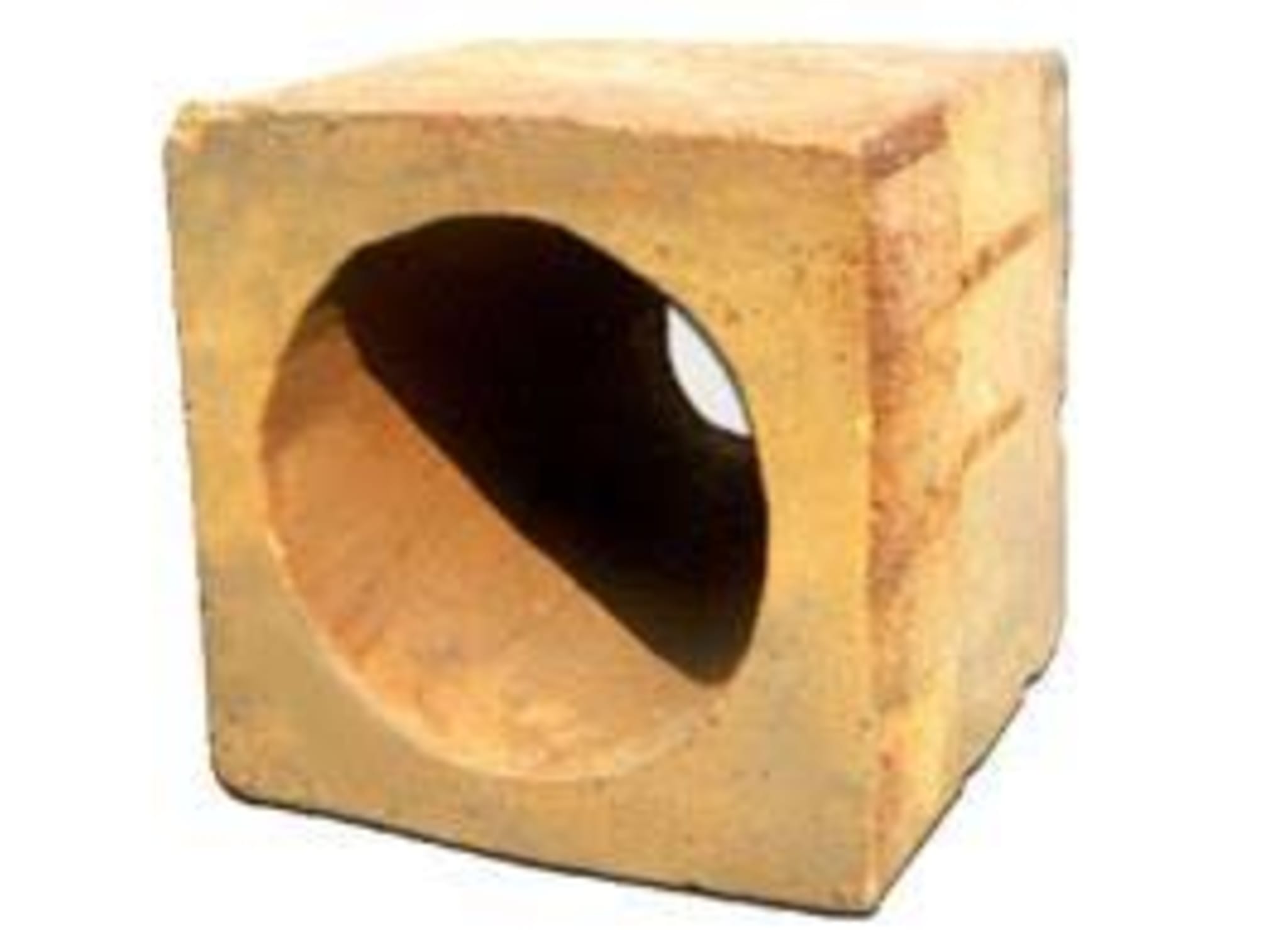


Understanding Refractory Bricks
Refractory bricks are shaped, fired ceramic blocks that form the structural hot face of a furnace, kiln, or reactor — the layer that takes direct flame, molten material contact, abrasion, and chemical attack. Where insulation slows the movement of heat, refractory withstands the conditions, and the two do different jobs in the same lining system: brick at the hot face, insulation behind it. Brick selection is more demanding than insulation selection because the wear mechanisms are more varied. A lining can be lost to thermal spalling from cycling, to chemical attack from alkalis or slag, to mechanical abrasion from moving material, or to structural failure from incorrect expansion allowance — and the brick that best resists one of these is often not the best against another. This is why specifying on temperature rating alone so reliably produces short campaign life. Zenco Systems supplies dense and high alumina refractory bricks across Kenya and East Africa, together with the mortars and castables that complete the lining.
Supply & Delivery
Zenco Systems Ltd supplies Refractory Bricks to industrial buyers across East Africa. Availability, packaging, transport, and documentation are confirmed by the sales team before dispatch.
Refractory Brick Types and Their Duty
High alumina refractory brick (1400°C)
Higher alumina content for improved resistance to chemical attack and higher-temperature duty. Specified for burning zones, furnace hot faces, and positions exposed to slag or alkali attack.
Refractory brick (1400°C)
General dense refractory brick for furnace, kiln, and boiler hot face linings where abrasion resistance and structural strength are the priority.
Dense vs insulating brick
Dense brick resists abrasion, impact, and chemical attack at the hot face. Insulating firebrick has higher porosity and lower conductivity, serving as backup where mechanical duty is light.
Shaped and cut brick
Standard shapes cover most ring and arch construction; cut and special shapes address kiln inlets, burner surrounds, and legacy equipment where original profiles are no longer catalogue items.
How to Choose the Right Refractory Bricks
Specify from the failure mode rather than the temperature rating, because most short lining lives are caused by the wrong resistance property rather than an inadequate rating. If the lining is lost to chemical penetration — alkalis in a cement preheater, slag at a ladle line — the answer is a denser, lower-porosity, higher-alumina brick. If it is lost to spalling in a cycling zone, thermal shock resistance and correct expansion allowance in the ring matter more than cold crushing strength. If it is lost to erosion in ore or clinker handling, hardness and density govern. Dense brick belongs at the hot face where mechanical and chemical duty is real; insulating firebrick belongs behind it where the duty is thermal. Where geometry is irregular or the repair window is short, a castable is usually the better choice than cut brick, since it conforms to the shape and can be placed and dried within a single outage.
Installation & Handling Notes
- Confirm ring closure and expansion allowance before bedding — an over-tight ring buckles on first heat, and an under-tight one loses support.
- Bed brick on a mortar matched to the brick grade; a mortar with a lower service temperature becomes the weak plane in the lining.
- Keep joints tight and fully mortared, since an open joint is a direct chemical penetration path and will progress faster than face wear.
- Bring new linings up on a controlled heat-up curve to let expansion occur uniformly and residual moisture leave safely.
- Inspect and replace the backup insulation at reline; a degraded backup layer raises shell temperature even behind a sound hot face.
Refractory Brick Compared to Alternatives
Fire brick vs insulating brick
Dense fire brick takes the hot face duty — abrasion, impact, chemical attack — while insulating firebrick has higher porosity and lower conductivity but much less mechanical strength. Insulating brick sits behind the hot face, not at it, and using it in a working position will fail quickly.
Refractory brick vs castable
Brick suits regular geometry and gives a structurally sound ring or arch with predictable campaign life. Castable conforms to irregular shapes, needs no shaped inventory, and can be placed within a short outage, which makes it the better answer for kiln inlets, burner surrounds, and repairs.
High alumina vs standard refractory brick
Higher alumina content improves chemical resistance and high-temperature performance, which justifies the cost at slag lines, burning zones, and alkali-exposed positions. Elsewhere in a lining, standard dense brick performs adequately at lower cost.
Refractory brick vs ceramic fibre lining
On a cycling kiln with no mechanical duty, a fibre lining consumes far less fuel because brick wastes a large quantity of heat on every cycle. Brick remains necessary wherever the lining faces abrasion, impact, molten contact, or temperatures beyond fibre's 1260°C limit.
Refractory Bricks FAQs
What is the difference between fire brick and insulating brick?
Dense fire brick forms the hot face and resists abrasion, impact, and chemical attack. Insulating firebrick has much higher porosity and lower thermal conductivity but far less mechanical strength, so it belongs behind the hot face as backup. Using insulating brick in a working hot face position will fail quickly.
What temperature can refractory bricks withstand?
Our refractory brick and high alumina refractory brick are rated to 1400°C. In service, the practical limit is usually set by chemical attack, abrasion, or thermal cycling rather than by the temperature rating itself, which is why specifying on temperature alone often produces disappointing campaign life.
Can refractory bricks crack?
Yes, most commonly through thermal spalling caused by rapid heating or cooling, or through structural stress from incorrect expansion allowance in the ring. Both are largely preventable — controlled heat-up and cool-down rates and correct expansion provision address the majority of cracking that gets attributed to material quality.
Should I use brick or castable for a furnace repair?
Castable is usually better for irregular geometry and short outage windows, since it conforms to the shape and can be placed and dried within a single shutdown. Cut brick is appropriate where the surrounding ring is sound and a like-for-like replacement maintains the lining's structural integrity.
How long should a refractory brick lining last?
It varies enormously with duty. Severe positions such as a cement kiln burning zone may run 6–12 months, while lower-duty zones can last several years. Life substantially shorter than expected for the position usually indicates a specification mismatch — chemical attack or thermal cycling — rather than normal wear.
Why does high alumina brick cost more, and when is it worth it?
Higher alumina content improves chemical resistance and high-temperature performance. It is worth the cost at slag lines, burning zones, and alkali-exposed positions where chemical attack is the life-limiting mechanism. Elsewhere in the same lining, standard dense brick generally performs adequately for less.
Can you supply brick for older furnaces with non-standard shapes?
Yes. Many plants run legacy equipment whose original refractory shapes are no longer catalogue items. We cross-reference against current equivalents, and where a shaped replacement genuinely does not exist, specify a castable repair approach instead — a decision much better made before the shutdown than during it.
Industries Using Refractory Bricks
Technical Guides
Selection and maintenance guidance from our engineering team.
How to Select Refractory Materials: Specify Against the Failure Mode
Why temperature rating alone is the wrong basis for a specification.
Fire Brick vs Insulating Brick: What the Difference Actually Means
Dense versus insulating brick, and where each belongs in a lining.
8 Signs Your Kiln or Furnace Insulation Needs Replacing
Reading wear before it becomes an unplanned shutdown.
Related Categories
Refractory Accessories
Refractory Accessories supplied by Zenco Systems Ltd for industrial, commercial, and institutional buyers across Kenya and East Africa.
Ceramic Fibre Products
Ceramic Fibre Products supplied by Zenco Systems Ltd for industrial, commercial, and institutional buyers across Kenya and East Africa.
Calcium Silicate Products
Calcium Silicate Products supplied by Zenco Systems Ltd for industrial, commercial, and institutional buyers across Kenya and East Africa.