Category catalog
High Temperature Textiles
High temperature textiles solve the problem that rigid and semi-rigid insulation cannot: sealing and covering shapes that will not accept board or blanket.
Products in High Temperature Textiles
6 catalog items available for review


Understanding High Temperature Textiles
High temperature textiles solve the problem that rigid and semi-rigid insulation cannot: sealing and covering shapes that will not accept board or blanket. Every furnace, kiln, and boiler has joints, expansion gaps, door frames, inspection ports, flange faces, and duct connections where the geometry is irregular, moves thermally, or must be opened routinely for access. Insulating the flat areas and leaving these points open is a common and expensive mistake, because air in-leakage at seals raises fuel consumption continuously and disturbs the temperature profile in ways that are difficult to diagnose from the control system. Woven textile products — cloth, rope, tape, and gaskets rated to 1260°C — conform to these shapes, tolerate the thermal movement, and can be replaced quickly at a shutdown. They are inexpensive relative to what they save. Zenco Systems supplies high temperature textiles across Kenya and East Africa for sealing, joint packing, heat shielding, and personnel protection duty.
Supply & Delivery
Zenco Systems Ltd supplies High Temperature Textiles to industrial buyers across East Africa. Availability, packaging, transport, and documentation are confirmed by the sales team before dispatch.
High Temperature Textile Product Forms
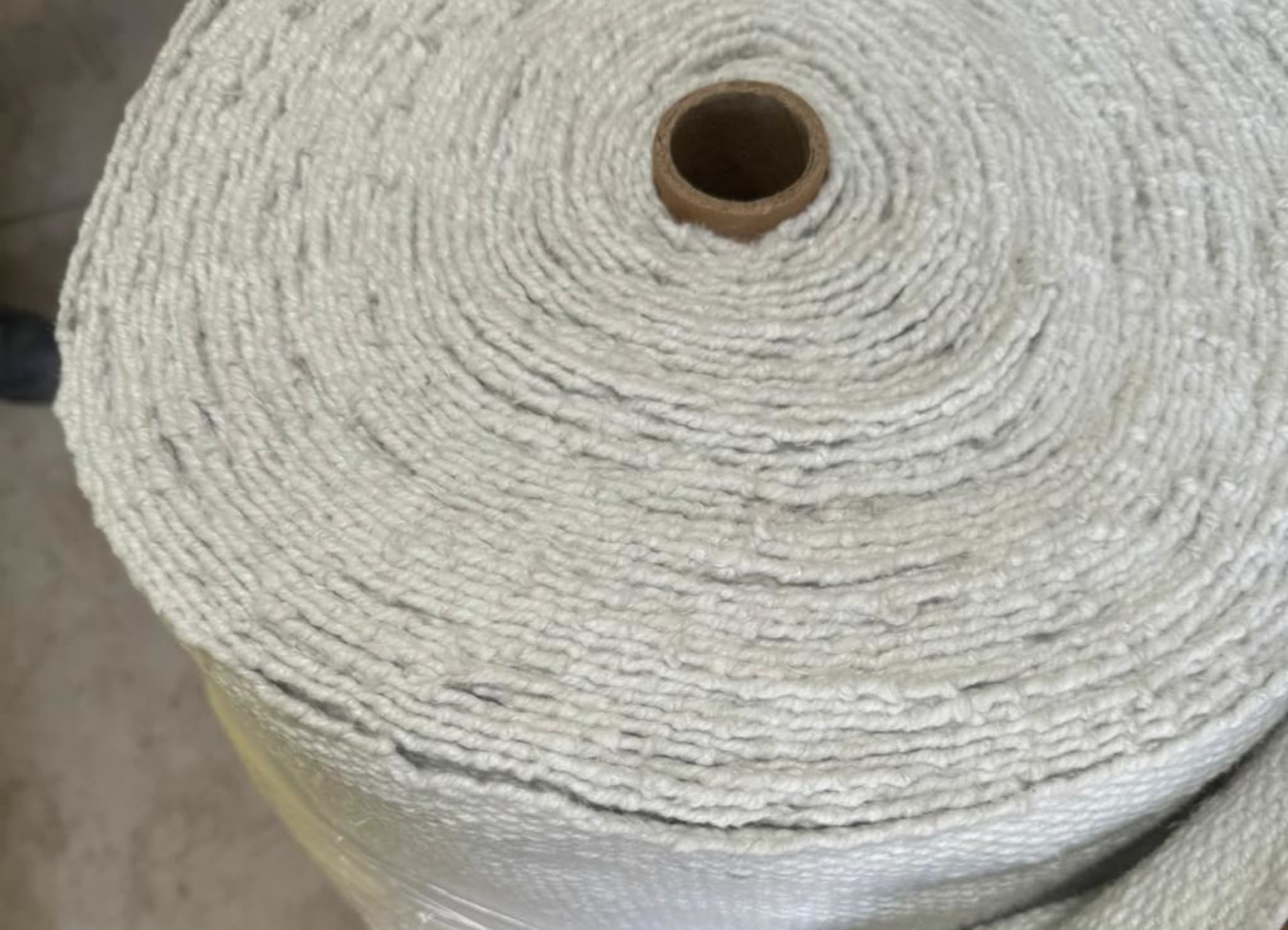
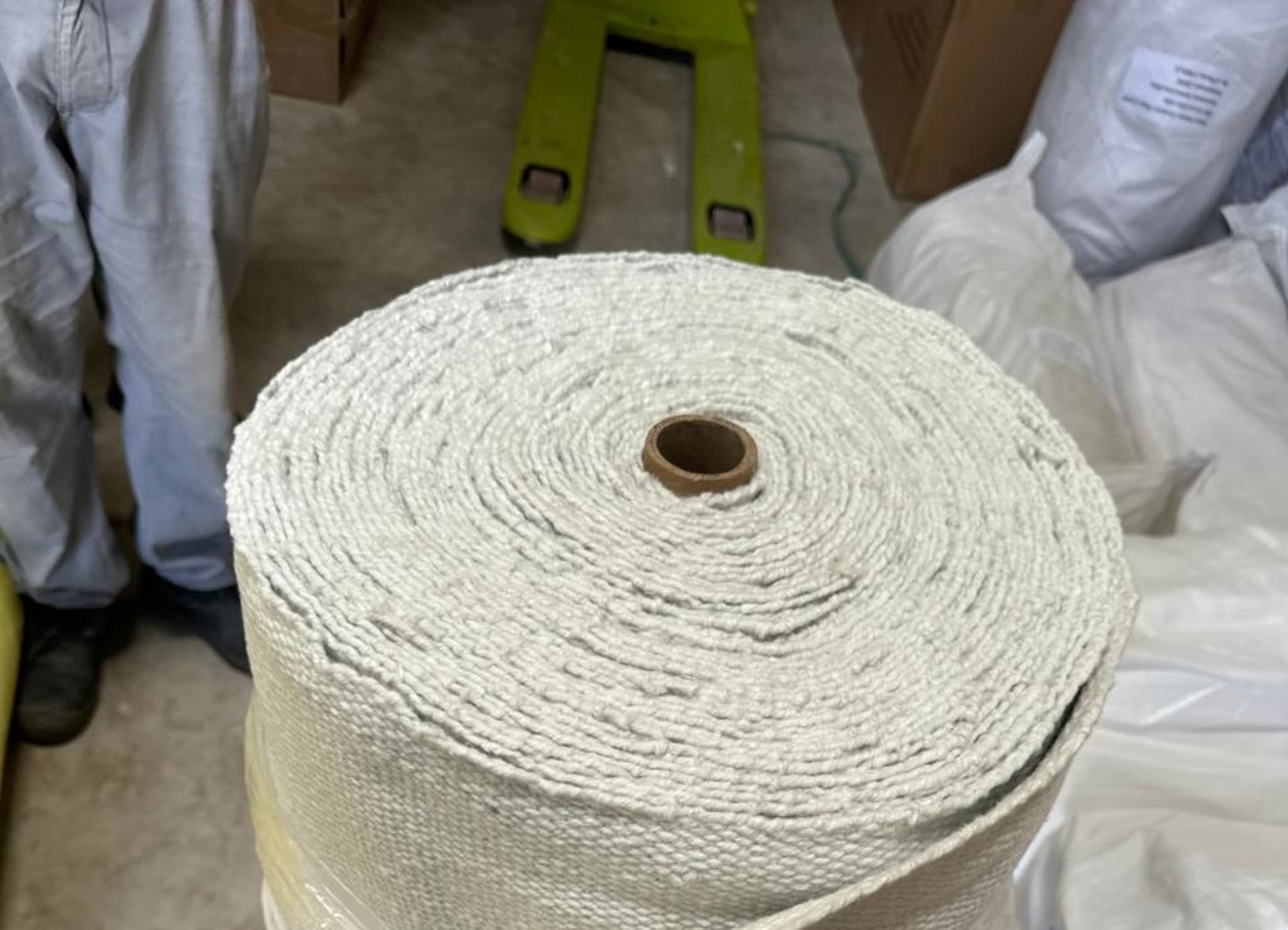
High temperature textile (1260°C)
Woven fabric for heat shielding, lagging, protective curtains, and wrapping duty where the material must conform closely and tolerate handling.
High temperature textile rope (1000°C)
Rope for packing joints, door seals, expansion gaps, and inspection openings. The standard answer for sealing a gap that opens and closes with thermal movement.
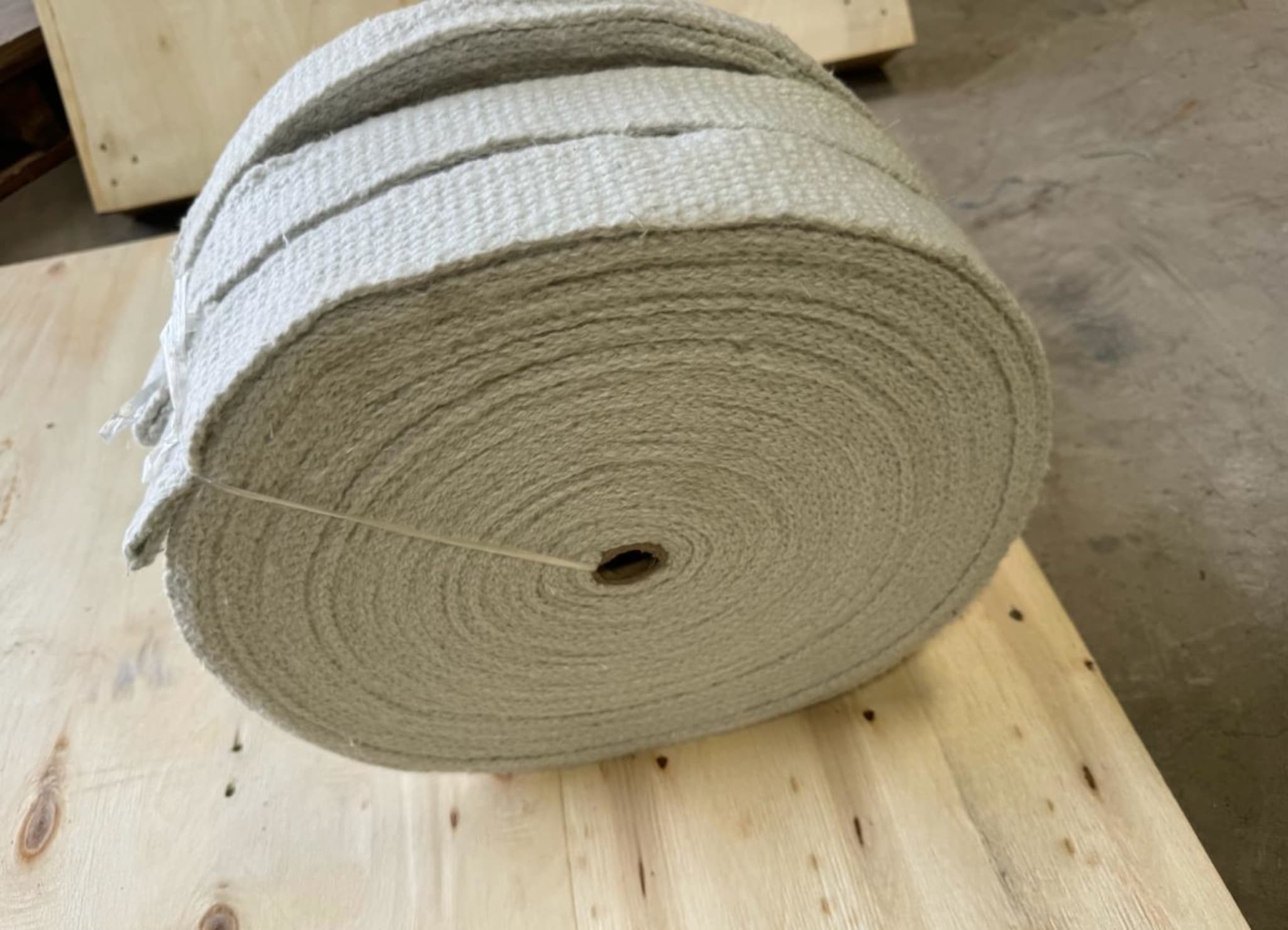
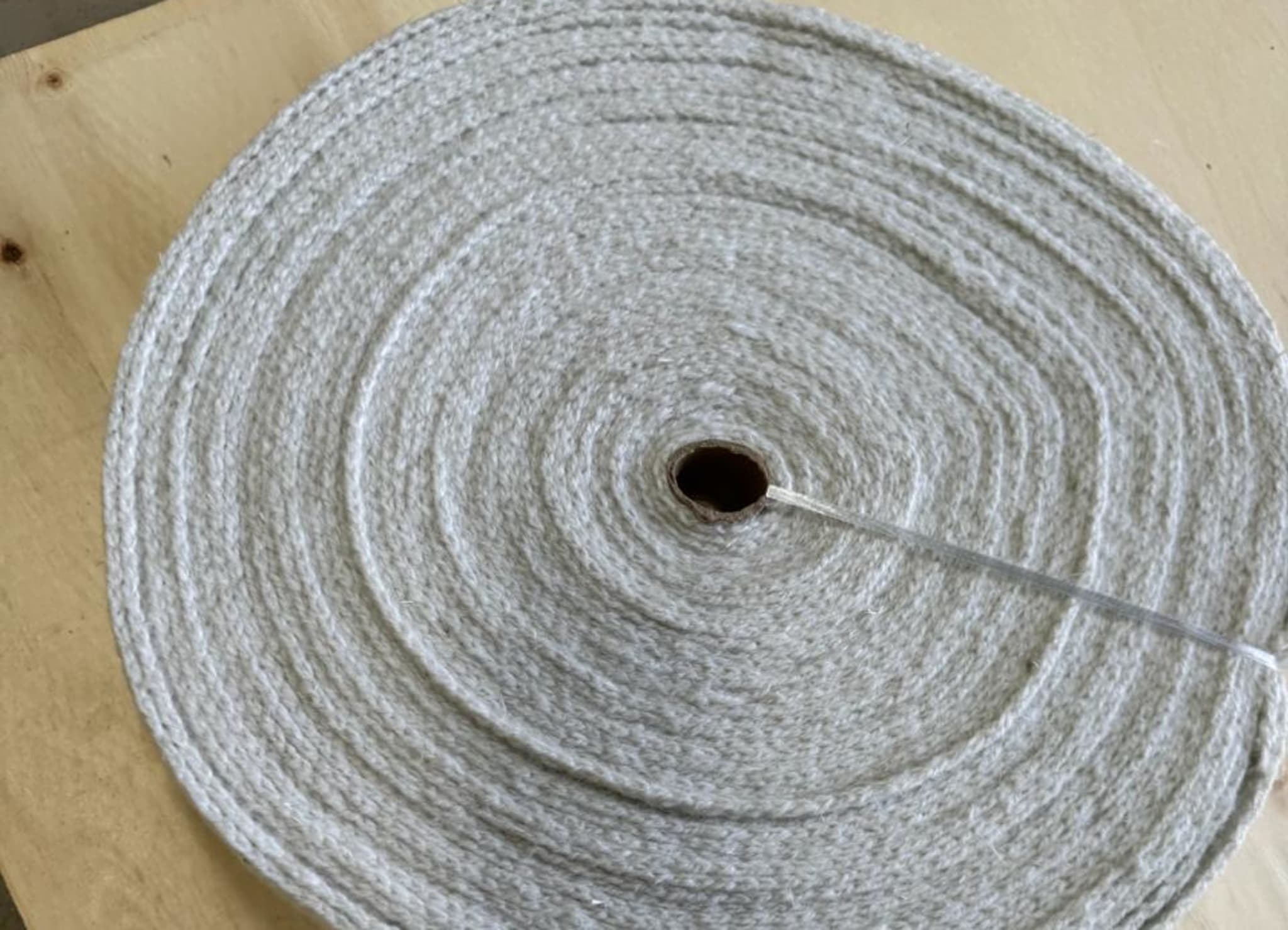
High temperature textile tape (1260°C)
Woven tape for wrapping pipework, sealing seams, and protecting cabling and instrumentation runs near hot surfaces.
High temperature textile roll (1260°C)
Roll form for covering larger areas and long runs, reducing joints and speeding up installation on extended sections.
High-temperature textile gasket (1000°C)
Cut gaskets for flange faces, access doors, and covers where a compressible seal must hold at elevated temperature through repeated opening.
How to Choose the Right High Temperature Textiles
Select by function and by the temperature at the joint face, which is often considerably lower than the process temperature inside the equipment. Rope is the standard choice for packing gaps that move — furnace and kiln doors, expansion joints, inspection openings — because it compresses to fill an irregular space and tolerates repeated opening. Tape suits wrapping duty on pipework, cabling, and seams. Cloth and roll cover larger areas for heat shielding, lagging, and personnel protection curtains. Cut gaskets belong on flange faces and access covers where a defined, compressible seal is needed. Check the temperature rating against the joint rather than the process: a 1000°C rope is entirely adequate on a door frame even where the furnace interior is hotter. Because these items are cheap and degrade steadily, replacing them on a scheduled basis at each shutdown is far more economical than waiting for the in-leakage to become obvious.
Installation & Handling Notes
- Replace door and joint seals on a schedule rather than on failure; degraded seals leak continuously and the resulting fuel loss far exceeds the material cost.
- Size rope to compress into the gap rather than merely fill it — an uncompressed rope migrates out of the joint under thermal movement.
- Check the temperature at the joint face rather than the process temperature inside; joint faces usually run considerably cooler.
- Fit textile gaskets so they are evenly compressed across the face, since uneven compression opens a leak path at the least loaded point.
- Keep replacement rope and tape in stock for shutdowns — these are low-cost items whose absence commonly delays a restart.
Choosing Between Sealing and Textile Products
Textile rope vs ceramic fibre blanket for joints
Rope is purpose-made for packing a defined gap and holds its position through repeated opening and thermal movement. Blanket can be used to fill large irregular voids but tends to be displaced at joints that move, so rope is the more reliable seal.
Textile gasket vs cut sheet gasket
A woven textile gasket handles higher temperatures and tolerates thermal cycling better at furnace doors and covers. Conventional sheet gaskets are appropriate at lower-temperature flange duty where chemical resistance and pressure sealing matter more.
Textile tape vs foil tape
Textile tape is for high-temperature wrapping and seam protection near hot surfaces. Foil tape is a vapour barrier product for sealing insulation laps below roughly 120°C — the two serve entirely different purposes and are not substitutes.
Textile cloth vs rigid heat shield
Cloth conforms to irregular shapes, can be moved or removed for access, and is quick to fit. A rigid shield is more durable where mechanical protection is the priority and the geometry is fixed.
High Temperature Textiles FAQs
What temperature can high temperature textiles withstand?
It depends on the product. Our high temperature textile, textile tape, and textile roll are rated to 1260°C, while textile rope and textile gaskets are rated to 1000°C. The relevant figure is the temperature at the joint or surface being sealed, which is usually well below the process temperature inside the equipment.
What is high temperature rope used for?
Packing and sealing joints that move — furnace and kiln door seals, expansion gaps, inspection openings, and duct connections. It compresses to fill an irregular gap and tolerates repeated opening, which is why it is used in preference to blanket at joints that are regularly disturbed.
How often should furnace door seals be replaced?
On a scheduled basis, typically every campaign or planned shutdown, rather than waiting for failure. Rope and gasket seals degrade progressively, and the air in-leakage they allow raises fuel consumption continuously between outages. It is one of the cheapest efficiency measures available.
Why does air in-leakage at seals matter so much?
Because it acts continuously. Leaking seals dilute furnace or flue gas, increase fan load, and disturb the temperature profile in ways that are hard to diagnose from control system data alone. The cost accumulates every operating hour, while the fix is typically a few metres of rope and an hour at a shutdown.
Can high temperature textiles be used for personnel protection?
Yes. Cloth and roll products are used as heat shielding, protective curtains, and lagging around hot surfaces in occupied areas. Where the requirement is to prevent contact burns on accessible surfaces above roughly 60°C, this is a safety measure rather than an efficiency one.
What is the difference between textile tape and foil tape?
They serve different purposes entirely. Textile tape is for high-temperature wrapping and seam protection near hot surfaces. Aluminium foil tape is a vapour barrier product for sealing insulation laps below roughly 120°C to prevent moisture ingress. Substituting one for the other will fail.
Do you supply cut-to-size gaskets and custom lengths?
Yes. Gaskets are commonly required cut to a specific flange, door, or cover profile, and rope and tape are supplied in lengths to suit the joint being sealed. Send the dimensions and the temperature at the joint face with your enquiry and the sales team will confirm the appropriate product and quantity.
Industries Using High Temperature Textiles
Technical Guides
Selection and maintenance guidance from our engineering team.
Related Categories
Gaskets & Packings
Gaskets & Packings supplied by Zenco Systems Ltd for industrial, commercial, and institutional buyers across Kenya and East Africa.
Ceramic Fibre Products
Ceramic Fibre Products supplied by Zenco Systems Ltd for industrial, commercial, and institutional buyers across Kenya and East Africa.
Thermal Insulation
Thermal Insulation supplied by Zenco Systems Ltd for industrial, commercial, and institutional buyers across Kenya and East Africa.