
Refractory BricksIn Stock
Refractory Brick (1400°C)
Refractory Brick is a high-alumina material designed for furnace, kiln, and boiler linings. With a density of 2100 kg/m³ and a compressive strength of ≥30 MPa, it is engineered for durability and high-temperature applications. Zenco supplies it in various packaging options to meet your project needs.
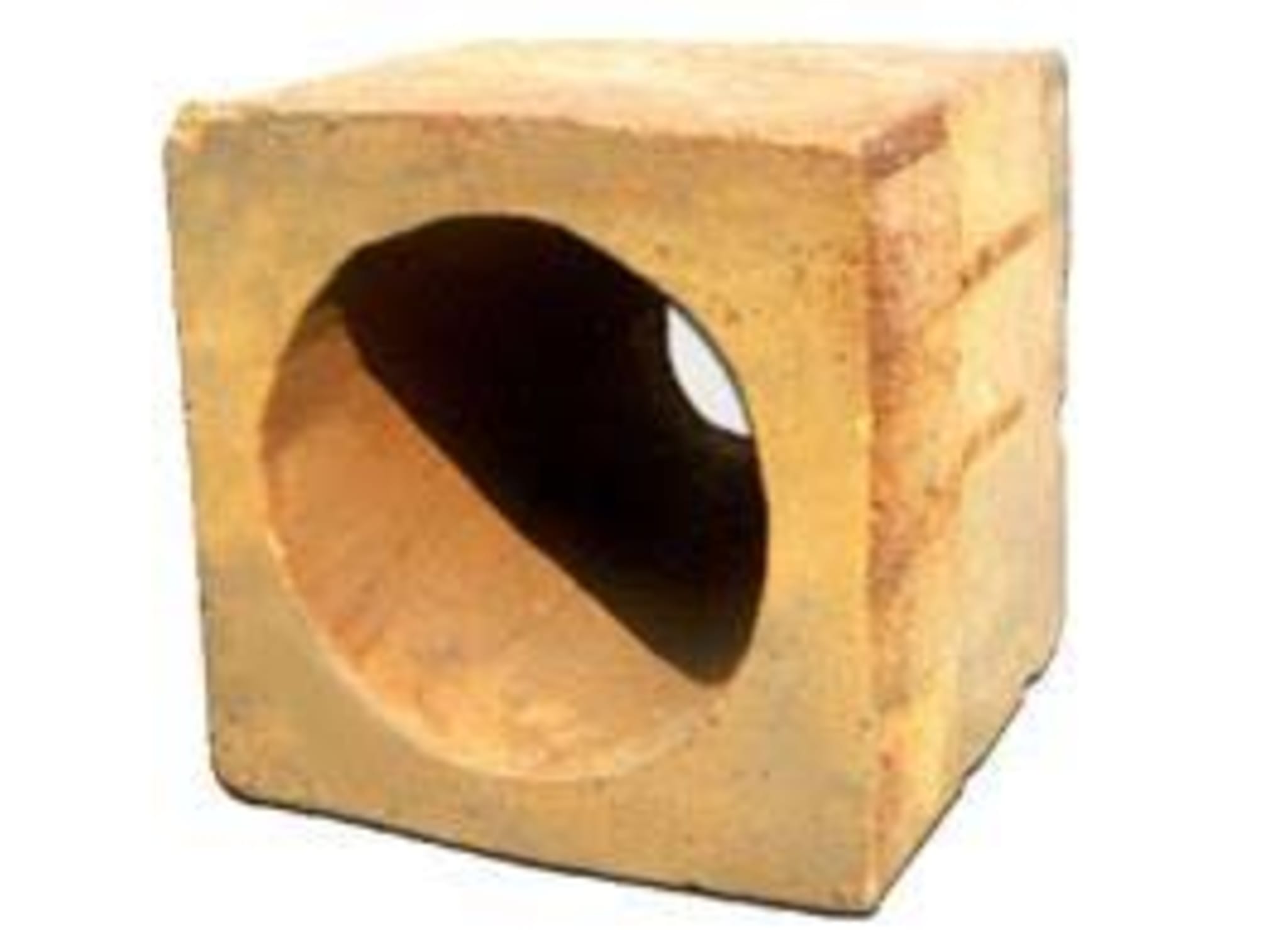
Refractory brick is a specialized form of fired brick produced primarily from high alumina materials combined with ceramic fiber reinforcement.
Packaging
Shrink-wrapped pallets or heavy-duty bags
Supply Region
Kenya, East Africa
Supplier
Zenco Systems Ltd
Product Information Summary
High-alumina refractory bricks designed for furnace and kiln linings, with a density of 2100 kg/m³ ensuring durability and high-temperature performance.
About Refractory Brick (1400°C)
Refractory brick is a specialized form of fired brick produced primarily from high alumina materials combined with ceramic fiber reinforcement. This unique construction differentiates it from standard bricks, providing enhanced thermal resistance and structural integrity under extreme temperatures. The manufacturing process involves precise engineering, ensuring that each brick is suited for high-heat environments such as kilns and furnaces. These bricks are designed to offer reliable performance in demanding industrial applications, aligning with rigorous operational requirements.
The composition of these refractory bricks is carefully formulated to withstand thermal shock while maintaining optimal mechanical properties. High alumina content enhances resistance to wear and chemical attacks, making the bricks particularly effective in environments with fluctuating temperatures and corrosive materials. This engineered combination results in a product that not only provides thermal insulation but also enhances the longevity of furnace linings, ensuring operational efficiency and reducing downtime in industrial settings.
Rated for continuous use at temperatures up to 1400°C, these refractory bricks exhibit impressive density and compressive strength, making them durable under substantial mechanical loads. Their low thermal conductivity minimizes heat loss, contributing to energy-efficient operation, crucial for industries like cement, steel, and glass manufacturing. The ability to withstand extreme thermal cycling significantly reduces the risk of crack formation, safeguarding the integrity of the thermal management systems employed in high-temperature applications.
Supplied in standardized dimensions of 230 x 114 x 76 mm, these bricks are available in various packaging formats, including shrink-wrapped pallets and heavy-duty bags, accommodating different order sizes. Buyers should verify necessary quantities and specific requirements before placing orders to ensure compatibility with their existing infrastructure. Zenco Systems Ltd offers expedient delivery options to Nairobi and throughout East Africa, facilitating timely project execution.
Main Application
Commonly used in furnace linings, our Refractory Brick provides the necessary protection and insulation for high-temperature operations crucial for steel manufacturing.
What It Is
Refractory Brick is a high-alumina fired brick designed for high-temperature insulation, typically supplied in standard sizes of 230 x 114 x 76 mm for various industrial applications.
Why It Matters
Choosing the right refractory brick is crucial for maintaining high energy efficiency and operational safety in thermal applications, directly impacting equipment performance and lifetimes.
Why Buy From Zenco Systems Ltd
Choosing Zenco Systems Ltd for your refractory brick needs ensures access to high-quality products rated for 1400°C, constructed from high alumina materials with ceramic fiber reinforcement. Our bricks deliver a compressive strength of ≥30 MPa, making them ideal for demanding applications in cement, steel, and glass plants. Additionally, we provide flexible shipping options across East Africa, ensuring timely and safe delivery. With reliable customer support and tailored solutions, Zenco is your trusted partner for effective thermal management.
Technical Data Sheet
Density2100 kg/m³
Temperature Rating1400°C
Compressive Strength≥ 30 MPa
Material CompositionHigh alumina materials with ceramic fibers
Thermal Conductivity0.12 W/m·K
Dimensions & Thickness230 x 114 x 76 mm standard brick size
Synonymsfire bricks, high-temperature bricks, ceramic bricks, IFB, insulating fire bricks
Standards ComplianceASTM C155
Installation GuidelinesInstall with refractory mortar, ensuring proper alignment.
Applications
- Furnace wall linings
- Kiln firebrick installations
- Boiler insulation
- Glass furnace linings
- Cement kiln linings
- Steel manufacturing furnaces
- Incinerator linings
- High-temperature thermal barriers
- Foundry furnace linings
- Power plant refractory walls
- Carbon black furnace linings
- Petrochemical reactor linings
- Ceramic heat treatment
- Kiln car lining
- Coke oven linings
Which Option Is Right for You?
When comparing our Refractory Brick to other materials such as Insulating Fire Brick (IFB), the choice largely depends on the specific application and required performance characteristics. While IFB is designed for lower temperature applications and provides lightweight insulation, our Refractory Brick excels in environments requiring higher compressive strength and greater thermal stability. Opt for Refractory Brick when high durability and resistance to wear are crucial, particularly in heavy-duty furnace linings. Conversely, if weight is a constraint and the temperature demands are lower, IFB may be suitable.
Properties of Refractory Brick (1400°C)
- Non-combustible, Class A1 rated
- Resistant to thermal shock cycling
- Maintains structural integrity at high temperatures
- High compressive strength
- Low thermal conductivity
- Durable against wear and erosion
- Good dimensional stability
- Excellent refractoriness under load
- Resistant to chemical attack
- Low shrinkage at peak temperature
- Easy to handle and install
- Suitable for rigid and flexible installations
- Compatible with various refractory mortars
- Can be cut to fit specific applications
- Robust against physical stresses
- Lightweight for easy installation
Available Packaging Options
- Shrink-wrapped pallets
- Heavy-duty bags
- Crate options for smaller orders
- Carton boxes for retail
- Bulk packaging for large projects
Safe Handling & Storage
When handling refractory bricks, ensure to use gloves and safety glasses for protection. Store them in a dry place, away from moisture, and avoid stacking beyond recommended limits. Proper handling reduces the risk of injuries and maintains material quality.
Quality Assurance
Zenco Systems Ltd ensures product quality by sourcing materials from the best suppliers and conducting batch testing for compliance with ASTM standards. Our bricks undergo rigorous checks for density and thermal performance, ensuring reliability and customer satisfaction.
Benefits
- Enhances energy efficiency by reducing heat losses
- Minimizes downtime with robust operational performance
- Protects equipment from high temperatures and thermal shock
- Ensures safety in high-temperature environments
- Reduces maintenance costs over the product lifespan
Product Features
- Resistant to thermal shock with minimal cracking
- Low thermal conductivity for energy savings
- Maintains structural integrity in extreme temperatures
- High density for increased durability
- Suitable for heavy industrial applications
Industries Served
- Cement
- Steel
- Glass
- Power generation
- Petrochemical
- Foundry
- Ceramics
- Manufacturing
FAQs
What is the maximum continuous service temperature?
The maximum continuous service temperature is 1400°C.
What applications are refractory bricks best suited for?
They are ideal for furnace linings, kilns, and boiler walls.
How should I handle and install refractory bricks?
Use proper PPE and follow installation guidelines to secure them in place.
What is the minimum order quantity for refractory bricks?
There is no set minimum, but larger orders are encouraged for cost efficiency.
Can I get these bricks in custom sizes?
Currently, we supply only standard sizes but contact us for custom options.
How are the bricks packaged for shipment?
They are supplied on shrink-wrapped pallets or in heavy-duty bags.
What industries use refractory bricks?
They are commonly used in cement, glass, and steel industries.
Do you offer delivery to areas outside Nairobi?
Yes, we deliver across East Africa, including Uganda and Tanzania.
How do I request a quotation?
You can reach out to our sales team for a tailored quotation.
What is the compressive strength of your refractory bricks?
The compressive strength is rated at ≥30 MPa.
What safety precautions should I take during installation?
Wear PPE and ensure safe handling to avoid injury.
Are your refractory bricks compliant with any standards?
Yes, they comply with ASTM C155.
What is the lead time for delivery?
Delivery times vary but are usually within two weeks.
Can I request product samples before purchasing?
Yes, product samples can be requested before making a large order.
How do I ensure the correct brick specification?
Confirm dimensions and grades with our sales team before ordering.
Is there a warranty available for these bricks?
Yes, we offer a warranty on all our refractory products.
Related Products
More equipment in Refractory Bricks


Buying Guide: Refractory Brick (1400°C)
Refractory brick is Zenco's general-purpose fired brick line, built from high alumina materials with ceramic fibre reinforcement and rated to 1400°C — distinct from our more specialised High Alumina Refractory Brick, which uses a straight 40% Al2O3 composition and a different testing standard. Buyers specify this brick for cement kiln linings, glass melting furnaces, boiler refractory walls, metallurgical furnaces, ceramic kilns, heating system refractory linings, furnace door insulation, steel processing applications, waste incinerators, insulating linings in power plants, refractory barriers in chemical plants, industrial oven interiors, and brick kilns — spanning cement, steel, glass, food processing, petrochemical, chemical manufacturing, power generation, ceramics, and mining industries. It's also known by generic names — fire bricks, high-temperature bricks, ceramic bricks, IFB, or insulating fire bricks — all describing bricks in this general refractory class. It's supplied stacked on wooden pallets and shrink-wrapped, or in 25kg heavy-duty bags for smaller orders, with crates of 100 bricks, cartons of 20, and mixed-size pallets available depending on order volume. The ≥30 MPa compressive strength, tested to ASTM C155, means it carries structural load in furnace and kiln walls the same way our High Alumina Refractory Brick does, so choice between the two often comes down to which specific composition and standard your project specification calls for — check with our team if you're unsure which applies. Install with refractory mortar, ensuring proper alignment, since a misaligned course is the most common cause of uneven load distribution across a brick wall. Buyers across Kenya and East Africa order it for both new construction and shutdown-period relining — contact our team with your brick-count and delivery timeline for a formal quotation.